

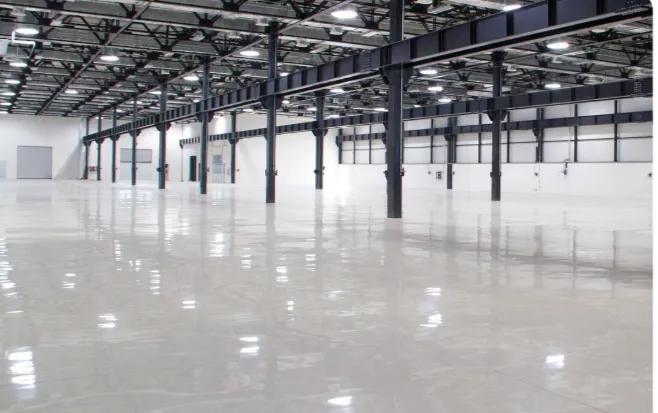
A strong floor needs more than a hard surface. It needs the right care and a good layer of protection. Floors face daily wear from foot traffic, heavy tools, spills, dust, and dirt. This can cause cracks, stains, and early damage. Choosing the right concrete coating companies is a key step when you want a floor that lasts.
Each floor has a different role. A home garage has needs that differ from a shop or a work space. The right coating must suit the floor, the space, and the way people use it. Cost matters too, but the cheapest choice may not last as long.
Check Your Floor’s Daily Needs
Before you choose a coating, check how the floor is used each day. Does it hold cars, tools, or heavy stock? Does it face oil, water, or harsh spills? These small details matter. A home garage may need a tough surface that can handle hot tyres and oil marks.
The floor’s current state also plays a big part. Look for cracks, holes, stains, and loose parts. A weak base can lead to poor results, even with a high-grade coating. Small flaws may need repair first.
Compare Coating Types And Uses
There are many types of concrete coatings and each has its own use. Epoxy is a common choice for garages, shops, and other busy areas. It forms a hard layer and can help guard the floor from stains and wear. Other coating types may suit areas with special needs, such as fast use or added grip.
Do not choose a product based on looks alone. A glossy finish may look great, but it may not suit every work area. Some floors need a matte look or a surface with more grip. Ask what each option can handle and how long it may last under normal use.
Prepare The Surface With Care
Good floor work starts before the coating is applied. The base must be clean, dry, and sound. Dust, oil, grease, and old paint can stop the new layer from bonding well. This may cause bubbles, peeling, or weak spots later. A proper prep plan may include deep cleaning, grinding, and the repair of cracks. These steps take time, but they help the coating stick to the floor and form a more even finish.
Moisture is another key point. Water trapped in the concrete can harm the bond and lead to coating failure. A moisture test can help find this risk before work begins.
Look At Safety And Surface Grip
A floor should not only look good. It should also be safe to walk and work on. Smooth surfaces can become slippery when wet or covered with oil. This can raise the risk of falls, mainly in busy work areas. Some coating systems can include grit or other grip aids to make the surface safer.
Think about who will use the floor and what they will do there. Staff may move tools, carts, or stock across the surface. At home, kids or older people may walk through the garage.
Review Quality And Work Standards
The product is only one part of a good floor system. The skill of the team also matters. Ask about past jobs, work methods, and the products they use. A clear quote should list the prep work, repairs, coating layers, and finish. It should also state how long the job may take.
Check the care guide and warranty before you agree to the work. Ask how soon the floor can be used after the job. Some systems need more time to cure than others. Find out what may void the warranty, such as harsh cleaners or early use.
Plan For Care And Long Life
Even a tough floor needs basic care. Dirt and grit can act like sandpaper when people walk or drive over them. Sweep the floor often and clean spills as soon as they occur. Use a mild cleaner that suits the coating. Avoid harsh tools or strong chemicals unless the care guide says they are safe.
Think about future needs before you make a final choice. Will the space face more traffic next year? Could it need new tools, machines, or storage? Pick a system that can meet those needs as far as possible. Ask how to fix small chips or marks if they appear.
Conclusion
Choosing a floor coating takes a little thought, but the steps are clear. Check the floor, know how the space is used, and compare coating types with care. Do not skip surface prep or safety needs. Look at product quality, work standards, and future care before you decide.
Take time to ask clear questions and review each part of the work. For more details on available floor protection options, visit evolveconcretecoating.com.