

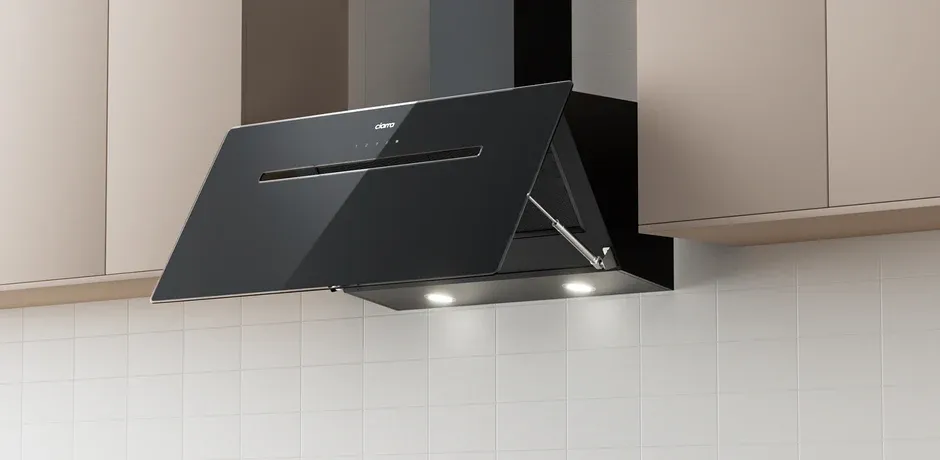
An open-plan kitchen has a special appeal. It feels spacious, welcoming, and connected to the rest of the home. Whether you’re preparing a family meal, entertaining guests, or enjoying a quiet morning coffee, a kitchen island often becomes the natural centre of attention. However, cooking in an open space brings one common challenge: smoke, steam, grease, and lingering food smells can quickly spread throughout the room. That’s where an island cooker hood makes a real difference.
Designed to sit above a kitchen island, this appliance combines practical ventilation with an attractive appearance. Rather than hiding essential kitchen equipment away, it turns ventilation into part of the overall design. With the right model, you can maintain cleaner air, protect your kitchen surfaces, and create a cooking area that looks as impressive as it performs.
Why an Island Cooker Hood Is Worth Considering
Traditional cooker hoods are usually installed against a wall, but island cooking arrangements require a different approach. Since the hob is positioned away from the kitchen walls, ventilation needs to come directly from above.
An island cooker hood is designed specifically for this purpose. It captures rising cooking fumes before they have an opportunity to travel across the room. This is particularly useful in modern homes where kitchens connect directly to dining and living areas.
Imagine frying vegetables while someone sits comfortably on the sofa nearby. Without effective extraction, cooking smells can travel much further than expected. A suitable hood helps control these fumes, making the entire living space more comfortable.
It’s not simply about removing unpleasant smells, either. Cooking produces airborne grease particles and moisture that can settle on cupboards, ceilings, windows, and furniture. Good ventilation helps reduce this build-up and makes everyday cleaning easier.
A Design Feature That Adds Character
One of the biggest attractions of an island cooker hood is its visual impact. Because it hangs above the cooking area, it naturally attracts attention and can become a defining feature of the kitchen.
Manufacturers offer plenty of styles to suit different interiors. Stainless steel models create a professional, contemporary appearance, while black finishes can introduce a sophisticated contrast against lighter cabinetry. Glass designs offer a more understated look, particularly in kitchens where maintaining an open and airy atmosphere is important.
For homeowners who prefer a minimalist interior, slimline designs are worth exploring. They provide ventilation without making the ceiling area feel overcrowded.
There are also statement models with distinctive shapes and decorative finishes. These can work beautifully in larger kitchens where the island serves as the main architectural feature.
The trick is choosing a design that complements the room rather than competing with everything around it.
Understanding Extraction Performance
Appearance matters, but ventilation performance should always come first. Before choosing a model, consider how much cooking you normally do and the size of your kitchen.
Extraction capacity is generally measured in cubic metres per hour (m³/h). This figure indicates how much air the appliance can move within an hour.
A larger kitchen or a household that regularly cooks with strong ingredients may benefit from a more powerful extraction system. However, choosing the highest-rated model isn’t automatically the best decision. The appliance should be suitable for the room, cooking habits, and installation arrangement.
It’s also important to consider the size of the hood. Ideally, the extraction area should adequately cover the hob beneath it. A hood that is too narrow may struggle to capture rising fumes, particularly when cooking with several pans.
Professional installation advice can help determine the appropriate extraction capacity and positioning.
Ducted or Recirculating: Which Is Better?
Island cooker hoods generally operate using one of two ventilation methods: ducted extraction or recirculation.
Ducted Extraction
A ducted system draws cooking air through filters and directs it outside through ventilation ducting. This approach is particularly effective for removing cooking moisture, heat, and airborne odours from the kitchen.
However, installation requires a suitable route for the ductwork. This may be easier to arrange during a kitchen renovation or when designing a new home.
Recirculating Extraction
A recirculating model filters the air and sends it back into the kitchen. Grease filters capture airborne particles, while activated carbon filters help reduce cooking odours.
This option can be useful when external ducting isn’t practical. It also offers greater flexibility for certain kitchen layouts.
One important detail is maintenance. Carbon filters need replacing according to the manufacturer’s recommendations, while washable grease filters require regular cleaning.
Neither system is perfect for every home. Your kitchen layout, ventilation requirements, and installation possibilities should guide the decision.
Noise Levels Matter More Than You Think
An extractor can be powerful and attractive, but excessive noise can make cooking less enjoyable.
This is particularly relevant in open-plan homes. If your kitchen connects to a dining or living room, a noisy appliance may interrupt conversations, television viewing, or family activities.
Look for models that provide multiple fan speeds. Lower settings are useful for everyday cooking, while higher settings can help deal with heavier steam and stronger cooking fumes.
Manufacturers often provide noise information in decibels (dB). Comparing these figures can help you understand how different models may perform acoustically.
It’s worth remembering that installation quality and duct design can also influence noise. Poorly fitted ducting or unnecessary bends may affect airflow and create additional sound.
Lighting That Makes Cooking Easier
Good lighting is another feature that deserves attention when selecting an island cooker hood.
Since the appliance sits above the hob, built-in lighting can illuminate the cooking surface and make everyday kitchen tasks more convenient. Whether you’re checking the colour of a sauce, monitoring a frying pan, or preparing ingredients in the evening, clear lighting makes a noticeable difference.
Many contemporary models use LED lighting because it provides bright illumination while consuming relatively little electricity.
Some designs offer adjustable lighting levels, allowing homeowners to create a more comfortable atmosphere when the cooking area isn’t being used.
When comparing different models, check the position and coverage of the lights. Attractive lighting is useful, but it should also illuminate the actual cooking area effectively.
Filters and Everyday Maintenance
Like any frequently used kitchen appliance, an island cooker hood needs occasional care to maintain its performance.
Grease filters gradually collect particles released during cooking. If these filters become clogged, airflow can be reduced and extraction may become less effective.
Most metal grease filters can be removed and cleaned, although the manufacturer’s instructions should always be followed. Some are dishwasher-safe, which makes routine maintenance considerably easier.
Carbon filters serve a different purpose in recirculating systems. They help capture odours but have a limited lifespan and need replacing periodically.
The exterior also deserves attention. Stainless steel surfaces may show fingerprints, while glass finishes can reveal dust and grease marks. A soft cloth and suitable cleaning product are usually enough to keep the appliance looking presentable.
A few minutes of regular maintenance can help protect both appearance and performance.
Choosing the Right Size for Your Kitchen
Getting the dimensions right is essential. An oversized hood may dominate a smaller kitchen, while an undersized model might look out of proportion above a large island.
Start by measuring the hob and available ceiling space. Consider the height of the ceiling, the recommended installation distance, and the overall proportions of the island.
The hood should provide suitable coverage without obstructing movement or creating an uncomfortable visual barrier.
Ceiling-mounted installation also requires careful planning. The structure must safely support the appliance, particularly when dealing with heavier island models.
If you’re renovating, it’s sensible to discuss electrical connections, ducting, ceiling reinforcement, and installation height before finalising the kitchen design.
Planning these details early can prevent expensive adjustments later.
Energy Efficiency and Modern Features
Today’s kitchen ventilation systems offer more than basic extraction. Many models include convenient features designed to make everyday operation easier.
Touch controls provide a clean appearance and straightforward adjustment. Some appliances include automatic shut-off functions, timers, or sensors that adjust extraction according to cooking conditions.
Energy-efficient LED lighting is another worthwhile feature, especially for households that cook regularly.
Some premium models also offer remote controls or smart connectivity. While these additions aren’t essential, they can provide extra convenience for people who appreciate modern kitchen technology.
When comparing appliances, focus on features that genuinely improve your daily routine. A straightforward model with reliable extraction may be a better investment than an expensive appliance filled with functions you rarely use.
Common Mistakes to Avoid Before Buying
Choosing an island cooker hood involves more than selecting an attractive finish. A few common mistakes can affect the final result.
First, don’t overlook extraction capacity. A beautiful appliance won’t deliver the desired experience if it’s unsuitable for your cooking space.
Second, avoid ignoring ceiling height and installation requirements. Island hoods need appropriate positioning to capture cooking fumes effectively.
Third, consider the availability and replacement cost of filters. Some models may be affordable initially but more expensive to maintain over time.
Finally, don’t forget noise levels. An appliance that operates quietly at normal cooking settings can make a considerable difference in an open-plan home.
Taking time to compare these details will help you make a more confident purchase.
Final Thoughts: Create a Kitchen That Looks Good and Works Better
An island cooker hood is much more than a decorative addition hanging above your hob. It’s an important part of a comfortable, practical, and well-designed kitchen. By controlling cooking fumes, reducing airborne grease, and improving ventilation, it helps create a fresher environment for everyone in the home. The best choice will depend on your kitchen dimensions, preferred appearance, extraction requirements, and maintenance expectations. Take time to compare different designs, check installation specifications, and prioritise features that suit your lifestyle. If you’re planning a wider kitchen upgrade, exploring complementary appliances and modern cooking solutions such as Ciarra One can also help you create a more coordinated and functional space. Ultimately, the right equipment makes everyday cooking more enjoyable while giving your kitchen the stylish finish it deserves.