

Dubai’s property investment market attracts capital from around the world. Apartments, villas, and commercial units are purchased as long-term assets and expected to deliver returns through rental income and capital appreciation. Protecting that asset from structural deterioration is as important as selecting the right location or negotiating the right price, yet it receives far less attention from investors focused on financial metrics.
Structural damage in Dubai buildings rarely announces itself dramatically. It accumulates quietly through moisture-driven corrosion, thermal stress cycling, and chemical attack on concrete and steel. By the time visible damage appears, significant and expensive remediation is already required. Understanding how structural damage begins and how to prevent it protects your investment at its foundation.
How Climate Accelerates Structural Deterioration in Dubai
Carbonation of concrete is a natural chemical process that occurs faster in Dubai’s warm, carbon dioxide-rich coastal air than in cooler environments. It reduces the alkalinity that protects steel reinforcement from corrosion. As carbonation progresses through the concrete, it eventually reaches reinforcement bars and removes their protective layer.
At the same time, chloride ions from coastal air penetrate concrete surfaces and reach reinforcement even before carbonation causes vulnerability. This leads to aggressive corrosion, where expanding rust creates pressure that cracks and weakens the concrete. Thermal cycling adds further stress, as expansion and contraction fatigue structural components. Routine inspection and early maintenance help prevent long-term damage.
Waterproofing as Structural Asset Protection
Moisture is the key driver behind most structural deterioration in Dubai buildings. Without it, processes like carbonation and chloride penetration slow significantly, and corrosion cannot begin. This makes waterproofing one of the most effective ways to protect structural integrity.
Investing in waterproofing delivers measurable returns by reducing repair costs, avoiding rental income loss, and maintaining property value. Properties with proper maintenance records tend to sell faster and at better prices.
Professional Waterproofing Companies In Dubai offer warranties, inspection reports, and compliance certificates that strengthen property documentation. These records support smoother transactions, improve buyer confidence, and meet insurance requirements that increasingly depend on consistent building maintenance standards.
Roof Structure Protection Priorities
The roof slab is among the most structurally significant elements in any multi-story Dubai building. Water ingress through the roof slab reaches reinforcement within the structure below. Corrosion in roof slab reinforcement affects not just the roof but the structural elements supported by and connecting to it.
Parapet wall and edge detail failures create structural vulnerabilities that roof membrane failures alone don’t. Parapets experience intense UV exposure, wind loading, and maintenance traffic impacts that main roof areas don’t. Failed parapets allow water to run down the building facade and enter the structure at multiple levels simultaneously.
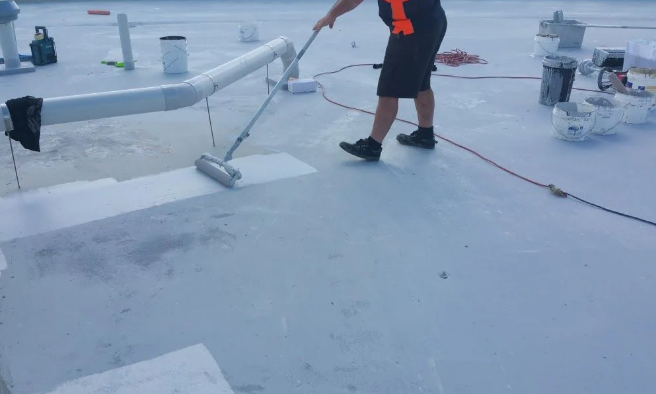
Roof Waterproofing investment for investment properties should include not just membrane installation but also drainage adequacy assessment, parapet structural condition evaluation, and edge detail inspection. This comprehensive approach addresses the full range of structural risk pathways rather than just the most visible membrane surface.
Floor and Podium Structural Protection
Podium decks in Dubai developments are structurally critical as they support landscaping, pools, and shared amenities while covering parking or retail spaces below. Water ingress through these slabs can damage both the structure and occupied spaces underneath.
Parking floors face additional risks from vehicle fluids, cleaning chemicals, and salts, all of which can penetrate unprotected concrete and accelerate corrosion. Epoxy Flooring Dubai systems provide a protective layer that resists chemical exposure and prevents contaminants from reaching the structural slab.
This reduces long-term deterioration and costly repairs. For investors managing multiple properties, epoxy flooring is a practical solution that enhances durability while lowering maintenance expenses over time.
Documentation and Compliance for Dubai Investors
Waterproofing warranties are valuable assets in Dubai property transactions. A valid warranty from a reputable contractor increases buyer confidence and strengthens negotiation positions. However, maintaining warranty coverage requires proper documentation and regular inspections.
Dubai Municipality regulations increasingly demand clear maintenance records and inspection schedules for both residential and commercial properties. Compliance helps avoid penalties and supports smoother transactions. Insurance providers also rely on maintenance documentation when assessing claims.
Buildings without proper records may face delays or reduced payouts. Maintaining detailed documentation ensures regulatory compliance, protects insurance coverage, and enhances the overall value and credibility of investment properties.
Conclusion
Protecting a Dubai investment property from structural damage is a systematic discipline with measurable financial returns. The cost of prevention is a fraction of the cost of remediation at every stage of structural deterioration.
Establish documented inspection and maintenance programs for every investment property in your portfolio. Address identified deficiencies on a defined schedule rather than deferring them indefinitely. Maintain the records that support warranties, insurance coverage, and eventual sale transactions.
Structural protection is not a cost center for Dubai investment properties. It is capital preservation.