

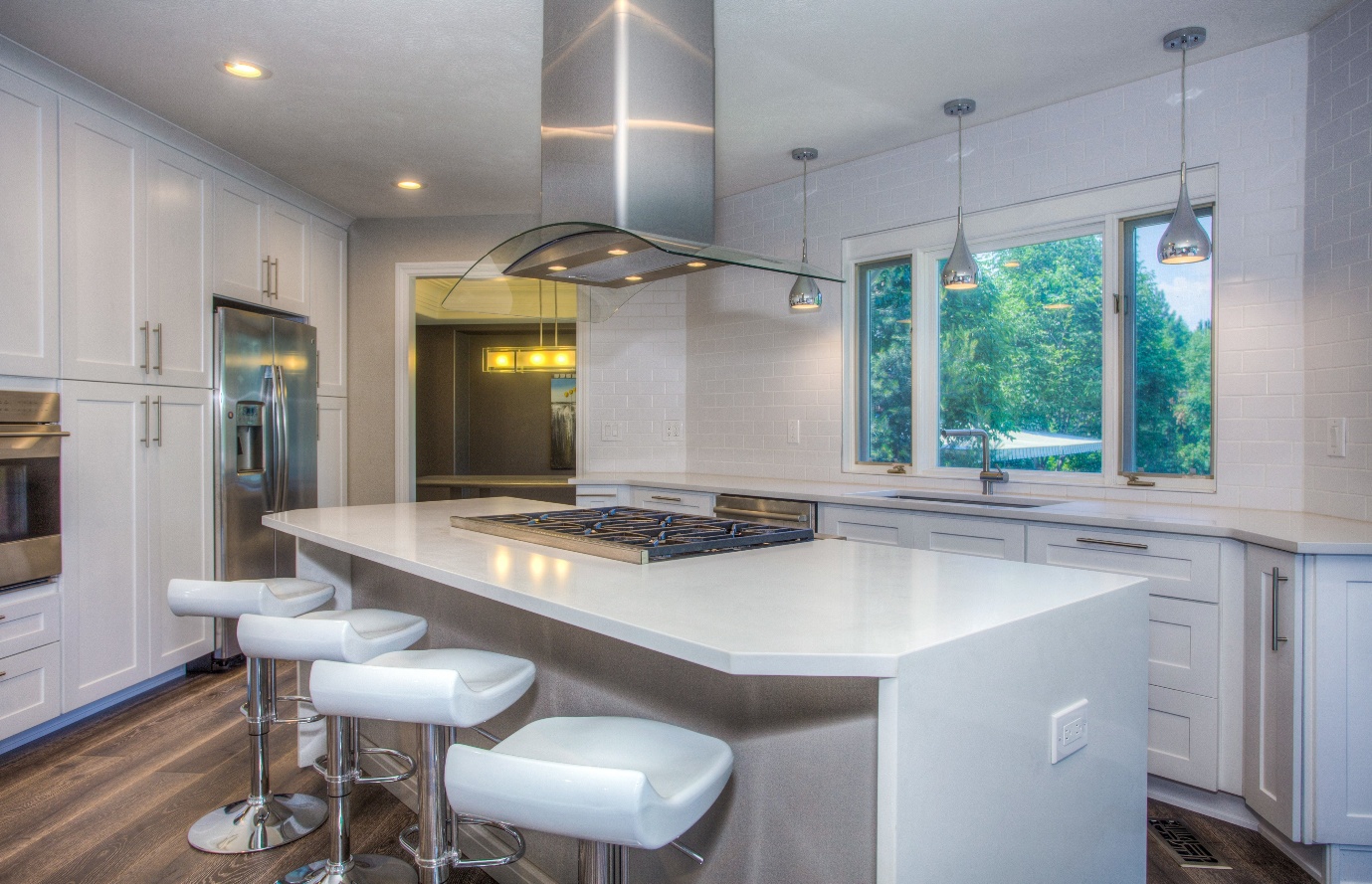
Moving into a new home creates a rare opportunity to shape a space from the ground up. The temptation is to fill every empty wall, shelf, and corner immediately, but rooms usually feel better when they are built in layers. People who want to Buy Home Essentials for new home can start with practical pieces, then add décor that gives each room personality. A thoughtful home does not depend on owning more things. It depends on choosing items that work together and make everyday routines easier.
Start With the Way You Live
Before buying décor, look at how each room will actually be used. A living room may need comfortable lighting and storage before it needs decorative objects. An entryway may benefit from a place for keys, bags, or shoes. A bedroom may feel unfinished because the lighting is harsh rather than because the walls are empty.
This approach prevents impulse purchases that look appealing online but have no clear role once they arrive. It also helps establish priorities. Functional pieces create the foundation; decorative choices can then support the mood rather than compete with practical needs.
Give Each Room a Visual Anchor
Most well-designed rooms have one or two elements that attract attention. In a living room, that could be a large piece of art, a distinctive lamp, or a textured rug. In a bedroom, it might be the headboard or the wall behind the bed.
The key is restraint. If every item is designed to be the focal point, the room can feel busy. Choose the main feature first and let smaller objects support it. This is especially useful in open-plan homes, where visual anchors can help separate sitting, dining, and working areas without adding walls.
Use Wall Art to Add Character
Wall art is one of the easiest ways to make a home feel personal without taking up floor space. Buyers who Buy Luxury Wall Art Online can compare scale, subject, and style before deciding what fits the room. LexxHomes’ wall-art collection includes minimalist patterns, text-based pieces, metal wall art, and art prints, allowing shoppers to consider different looks for different spaces.
Size matters as much as style. A very small piece above a wide sofa can look lost, while oversized art in a narrow hallway may dominate the area. Measuring the wall before ordering avoids both problems.
Build a Limited Color Story
A room does not need to match perfectly, but some visual repetition helps it feel intentional. Choose a small group of colors and repeat them in different ways. A tone from the artwork might appear again in a cushion, lamp, or storage basket. Wood finishes can also be repeated across furniture and accessories.
This does not mean everything should be beige or neutral. Bold colors can work well when they have a clear place in the overall scheme. The aim is simply to prevent each purchase from feeling unrelated to the one beside it.
Keep Everyday Objects Under Control
Clutter is often what makes a newly decorated room lose its polished look. Attractive storage helps because it gives frequently used items a home. Shelving, cabinets, trays, and organizers can reduce visual noise while keeping useful things accessible.
Think about where clutter naturally gathers. If mail always lands on the dining table, create a better drop zone. If chargers collect beside the sofa, use a small storage solution nearby. Good organization works with existing habits instead of expecting everyone in the household to develop completely new ones.
Add Small Details Slowly
It is easy to overspend in the first weeks after moving. A better strategy is to live in the home long enough to notice what is missing. You may discover that a corner needs softer lighting, that a wall needs artwork, or that a shelf needs better organization.
This slower approach also makes the space more personal. Some of the best rooms contain a mix of new purchases, useful everyday objects, gifts, books, and items collected over time. A home that develops gradually often looks more natural than one decorated in a single shopping trip.
Make Comfort the Final Test
A stylish home should still be comfortable to live in. Before adding something, ask whether it improves the room, solves a problem, or genuinely gives you pleasure. If it does none of those things, it may not deserve the space.
Creating a finished home is not about filling every gap. It is about balancing function, comfort, and visual interest. When practical essentials come first, and decorative pieces are chosen with purpose, even a simple room can feel complete without becoming crowded.