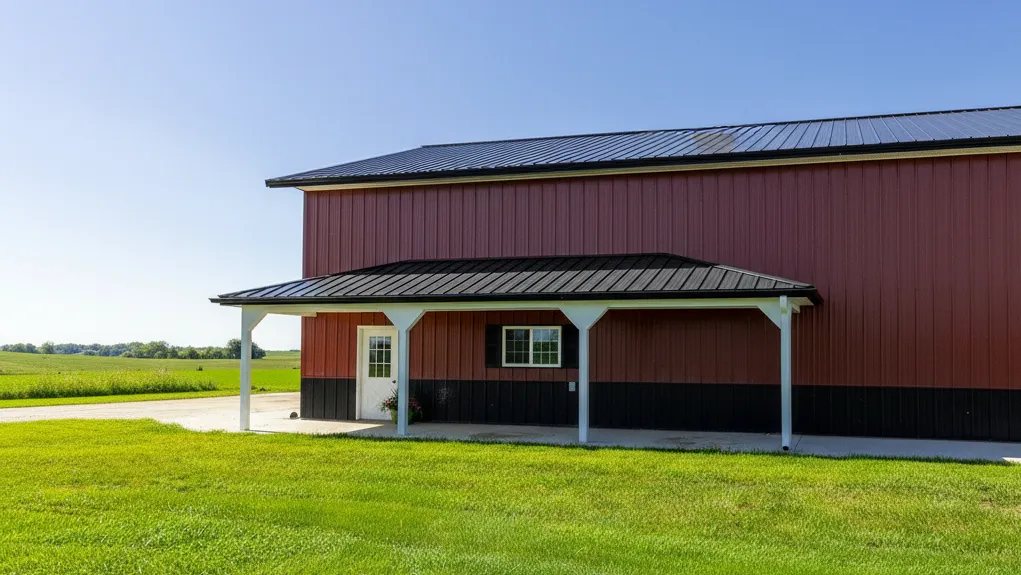
Creating the ultimate home workshop is a dream for many DIY enthusiasts and professionals alike. Whether you’re venturing into woodworking, automotive repair, or metalworking, having a dedicated space tailored to your needs is invaluable. Among all the considerations, choosing the right building structure plays a pivotal role. Here in Canada, steel buildings in Ontario are increasingly coming into the spotlight for their durability, versatility, and cost-effectiveness. Let’s explore how you can design the perfect home workshop using these robust solutions.
Why Choose Steel Buildings?
Steel buildings have become synonymous with strength and adaptability. In regions like Ontario, where climate extremes are common, the resilience of steel is unmatched. These structures can withstand heavy snow loads, resist rust, and offer protection from high winds. Moreover, steel buildings are known for their longevity, requiring minimal maintenance compared to traditional wooden constructions.
For those who are environmentally conscious, steel is also one of the most recycled materials in the world. By choosing a steel workshop, you’re not only investing in durability but also contributing to sustainability.
Customizing Your Steel Building
One of the significant advantages of opting for a steel building is the ability to customize it according to your requirements. With varying sizes and configurations available, you can easily design a workshop that meets your specific needs. A popular choice for many homeowners is the 30×40 Steel Building Kit. This size provides ample space for multiple workstations, storage areas, and even room for large machinery.
Customizing doesn’t end with the size. You can configure the interior layout to include dedicated zones such as a bench area, tool storage, and utility space. Additionally, the exterior can be tailored with different finishes and colors to match your home’s aesthetic or personal style.
Planning the Interior Layout
Once you have the structure nailed down, it’s time to focus on the interior layout. The goal is to create an efficient workflow that enhances your productivity and pleasure while working. Start by identifying the key areas you need. A typical home workshop might include:
-
Workstations: Depending on your projects, you might need multiple workbenches. Ensure that they are sturdy and at a comfortable working height.
-
Tool Storage: Proper storage solutions like pegboards, cabinets, and shelves will keep your tools organized and easily accessible.
-
Utility Areas: Consider installing a utility sink or a dedicated cleaning station for easy cleanup.
-
Safety Zones: Have clear safety zones or guidelines, especially if you’re dealing with large machinery or hazardous materials.
Space planning is crucial to prevent clutter and ensure ease of movement. Using modular furniture and storage systems can help in maximizing the space efficiency of your workshop.
Ensuring Comfort and Safety
No matter how well-equipped your workshop might be, comfort and safety should never be compromised. Here are some key considerations:
-
Lighting: Ensure that your workshop is well-lit with a combination of natural and artificial lighting. This reduces eye strain and improves precision during tasks.
-
Ventilation: Adequate ventilation is crucial, especially when working with volatile compounds or paints. Windows, vents, or exhaust fans can help maintain air quality.
-
Insulation and Heating: Ontario winters can be harsh, so insulating your steel building will keep it warm and aid in energy efficiency. Consider installing a heating system for year-round comfort.
-
Safety Equipment: Always have safety equipment like fire extinguishers, first aid kits, and emergency numbers prominently displayed and within reach.
Integrating Technology
Incorporating technology into your workshop can significantly enhance your productivity. Smart systems for lighting, security, and even tool management are becoming increasingly popular. Installing a reliable Wi-Fi connection can allow seamless access to online resources, virtual tutorials, or digital project plans. Additionally, consider investing in smart tools that offer precision and ease of use.
Future-Proofing Your Workshop
While focusing on your current needs, it’s also wise to think long-term. Trends and technology are continually evolving, and your workshop should be adaptable to future changes. Choose solutions that can be easily updated or expanded to accommodate new tools or technologies. Opt for flexible mounting systems for your tools and benches, so rearranging them doesn’t require a complete overhaul.
Maximizing the Benefits of Your Steel Building
To fully enjoy your workshop, maintenance remains an ongoing requirement, albeit less intensive with steel buildings. Regular inspections of the structure will help identify any potential issues before they escalate. Ensure that any vents and gutters remain clear, especially in fall and winter, to prevent moisture buildup and damage.
By choosing steel buildings in Ontario, you’re investing in a structure that offers superior durability and flexibility, enabling you to personalize your workshop precisely as you envision it.
Conclusion
Designing the ultimate home workshop involves a perfect blend of robust architecture and thoughtful planning. From selecting the right 30×40 Steel Building Kit to planning an efficient interior layout, each decision contributes to crafting a space that fosters creativity and productivity. Incorporating safety features, ensuring comfort, and integrating technology will further enhance your workshop’s utility. Embrace the flexibility and durability of steel, and enjoy the process of creating a workshop that not only meets but exceeds your ambitions.