

A property inspection can uncover moisture damage, staining, and renovation issues, yet some concerns are not visible during an ordinary walk-through. Homebuyers, landlords, and property managers sometimes consider targeted screening when there is a specific reason to investigate possible contamination. Choosing a rental property meth test kit nz product requires understanding what a surface swab can and cannot establish. Mould screening raises a different set of questions altogether. These tests serve separate purposes.
Begin With the Evidence, Not Assumptions
Unusual odours, past incidents, damp rooms, or documented concerns may prompt further investigation, but none of these automatically proves methamphetamine contamination or identifies mould species. Property history, visible conditions, and professional advice can help decide what screening is justified.
Ask whether the concern is surface residue, a leak, or room condition. Different concerns need different tests, and a quick screening device is not a complete building survey.
Understand What Meth Surface Kits Detect
Property methamphetamine screening devices generally test a sampled surface against a stated threshold. The result relates to that particular sample and method, not automatically to every room or the entire property. Sampling locations and technique can affect the outcome.
Direct Drug Testing supplies Check4Meth products with different screening levels. These options should not be treated as interchangeable: the selected threshold influences what the device can flag. Read instructions and consider professional assessment.
Keep Thresholds and Decisions Separate
Methamphetamine residue limits and the rules applied to rental housing can change. A test kit’s numerical screening level is not itself a determination that a home is unsafe or that decontamination is legally required. Regulatory requirements and relevant professional guidance must be checked for the particular situation.
A non-negative screening result may justify further investigation, especially before major expenditure or disputes. Where reliable quantification, compliance evidence, or a formal report is required, use appropriate professional sampling and laboratory analysis rather than relying solely on a self-administered test.
Look for the Cause of Visible Mould
Mould develops where moisture is available. Leaks, condensation, inadequate ventilation, and cold surfaces may contribute to recurring growth. A cosmetic cleaning job that leaves the moisture source unresolved is unlikely to deliver a lasting solution.
Check roof and plumbing leaks, window condensation, and poorly ventilated spaces. Photograph the affected areas and record when dampness appears. Mould can be a concern even without knowing the exact species, so visible growth should prompt attention to moisture control and suitable remediation practices.
Understand What a DIY Mould Kit Adds
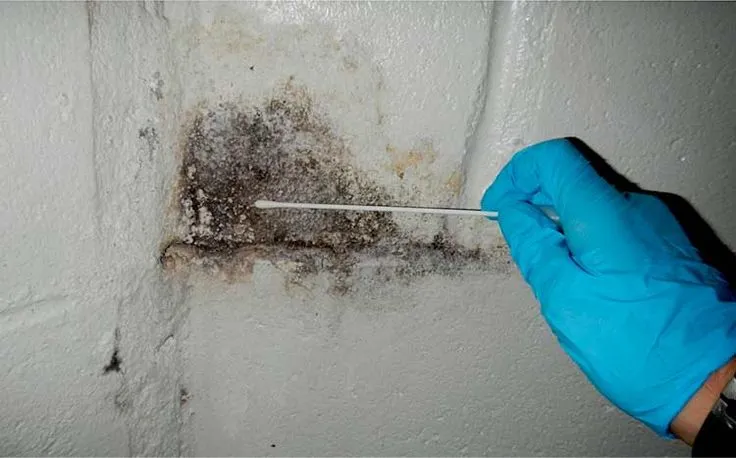
A mould test kit nz product such as Detect4Mould screens a suspected sample for certain groups, including Aspergillus, Penicillium, and Stachybotrys. It is a qualitative screen, meaning it can indicate whether specified moulds are detected in the sample examined.
It does not establish airborne concentrations, the full spread of contamination, or an individual’s health risk. A negative result cannot rule out other mould species or hidden dampness. Significant growth, recurring water damage, or complex indoor air concerns warrant a qualified building or mould assessment.
Prepare a Clear Property Screening Record
Whether an owner uses a simple kit or commissions a specialist, documentation helps prevent confusion later. Keep the date, location, sampling method, product instructions, and results together. Photograph conditions before cleaning or repairs.
A basic record should include:
-
The reason for investigating the property.
-
Areas sampled and areas not checked.
-
The kit type, threshold, and expiry date.
-
Visible moisture, damage, or contamination concerns.
-
Any advice received and follow-up actions agreed.
Records should be factual and securely stored, particularly where tenants or prospective purchasers are involved.
Decide When Professional Help Is Needed
A kit is useful only when its result can answer the question being asked. Homebuyers seeking reassurance about complex past contamination may need a comprehensive assessment, while landlords facing a tenancy dispute may require independently documented evidence.
For mould, ongoing leaks and widespread growth deserve attention regardless of a simple species screen. For methamphetamine, decisions about remediation or fitness for occupation should rest on current guidance and appropriate evidence. A single screen cannot diagnose a building.
Conclusion
Property screening can help clarify particular concerns, but it should not replace a building inspection, moisture investigation, or professional assessment where those are needed. Meth residue and mould are different problems requiring different sampling methods and follow-up decisions. Owners benefit from documenting their reasons for testing and interpreting results conservatively. New Zealand homeowners, buyers, and property managers can review property screening options through directdrugtesting.co.nz while seeking qualified advice for significant findings.